
Men's Mental Health Awareness Month: Overcoming the Mental Health Stigma
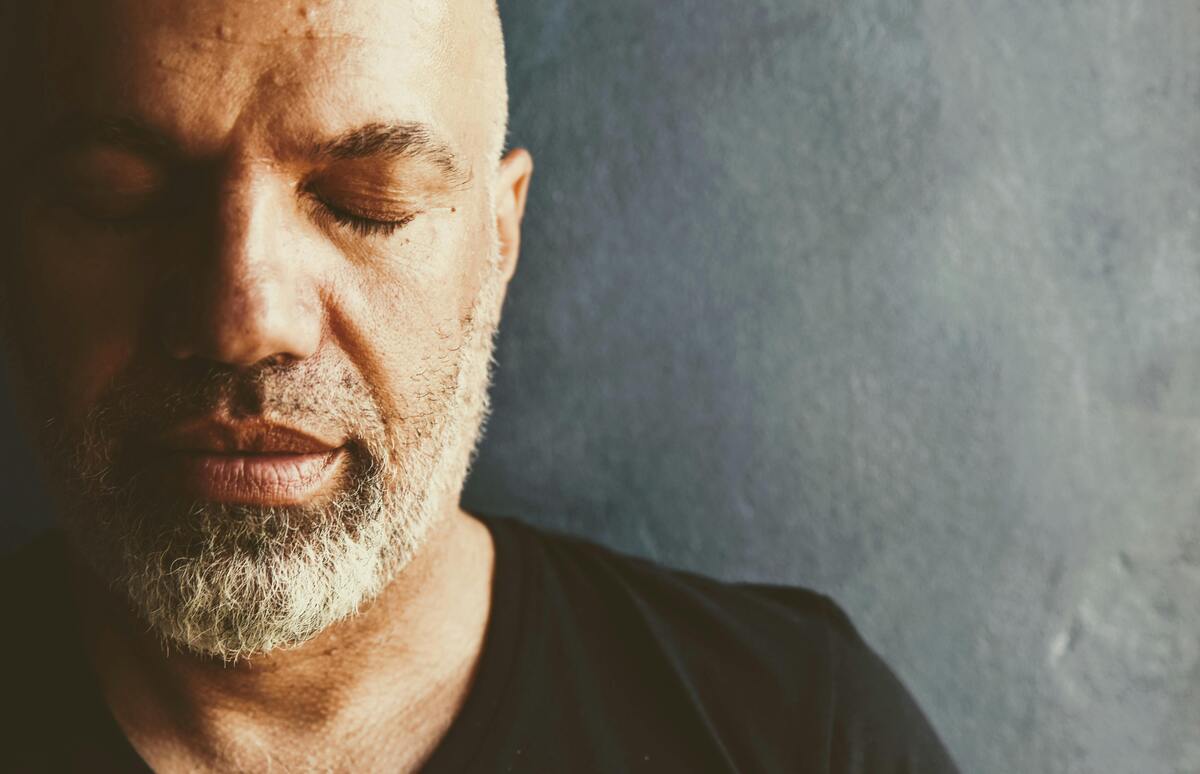
June is Men’s Health Awareness Month, a time to educate, support, and raise awareness about all aspects of men’s health — including men’s mental health.
Men’s mental health is sometimes called a silent epidemic. Due to societal and cultural norms around “traditional masculinity,” men and boys are often discouraged from expressing their emotions and speaking up when they need support.
Although nearly 1 in 10 men experience depression or anxiety, less than half ever seek treatment. Furthermore, men are nearly four times more likely to die by suicide than women. In Ohio, males accounted for 81% of total suicide deaths in 2023.
The truth is, many men are quietly hurting, and the people who love them are wondering how to help. Breaking the silence and stigma surrounding men’s mental health can literally save lives.
Here’s what you should know about men and mental health:
Anxiety & Depression Can Look Different in Men
The symptoms of anxiety and depression can look different in men compared to women.
For men, anxiety may not show up as noticeable signs of worry or nervousness. Anxiety can also manifest as physical symptoms, such as headaches, tense muscles, or stomach problems. It can also look like irritability or anger.
Likewise, depression doesn’t always look like sadness in men. For many, depression can show up as anger, withdrawal, increased risk-taking, or substance abuse. It can also lead to difficulty sleeping, changes in eating habits, and digestive issues.
Because their symptoms may not be as obvious, it’s often easy for men to ignore them or brush them off as stress or a “bad week.”
What Can You Do to Help?
Mental health awareness and education are powerful. Here are some ways you can create safe spaces and help break the stigma surrounding men’s mental health:
- Talk about mental health. Many men stay silent because they don’t know how to start the conversation. By normalizing conversations about mental health at home, work, and school, you can help everyone feel comfortable speaking up when they need help.
- Learn the signs. When you know what to look for, you can recognize the warning signs of depression, anxiety, and suicidal thoughts in yourself and others.
- Check in on the men in your life. A simple check-in can go a long way. You don’t need to come with advice or answers. What matters is reaching out and showing that you care.
Here are some ways to check in:
- “How are you doing, really?”
- “I’ve noticed you haven’t seemed like yourself lately. Want to talk?”
- “I know this is tough. You don’t have to handle it alone.”
- “I care about you, and I’m always here for you.”
- Share resources. When people know how to seek help, they’re more likely to reach out during difficult moments. If someone is in crisis, call or text 988 right away. You’ll be connected to free, anonymous support.
If you simply need someone to talk to, you can always call our 24-hour helpline at 877-695-6333.
Men’s Mental Health Matters
Speaking up and breaking the stigma can make a life-changing difference for the men in our lives. Help is available, and hope is here.
Mental Health Recovery Board serving Warren and Clinton Counties connects residents with local mental health resources and support. From treatment and recovery to prevention and education, we can be a starting point for you. Learn more about our resources or contact us for more information.